Galmeon
Therapy

Maxillofacial

Treatment of Temporomandibular Joint Disorders

The maxillofacial region involves the use of very specific muscles: the masseter, temporalis, and pterygoid muscles, as well as all the facial expression muscles innervated by the facial nerve... Any impairment—whether resulting from maxillofacial surgery, temporomandibular joint (TMJ) dysfunction, persistent trismus, or facial paralysis—can directly affect chewing, speech, swallowing, and overall quality of life. Maxillofacial rehabilitation is a demanding discipline that is not limited to joint mobilization or mouth-opening exercises. It must also restore neuromuscular control of the masticatory and facial muscles, which are frequently inhibited following surgery, immobilization due to maxillomandibular locking, or a prolonged episode of pain. It is precisely through this approach to neuromotor reprogramming that Galmeon therapy provides added value, complementing the care provided by your specialized physical therapist or maxillofacial surgeon.
Work on Atypical Swallowing Patterns
Difficulty opening the mouth
A sensation of cracking or clicking in the temporomandibular joint
Tension in the muscles that lift the lower jaw
Bruxism
Clenching

Contact us at
to learn more

Contact us to learn more

Testimonials

What does rehabilitation after maxillofacial surgery involve?

Post-operative postoperative rehabilitation is organized into several phases, closely coordinated with the surgeon :

Phase 1: Gentle gentle mobilization of the jaw, exercises toprogressive mouth opening , and management ofswelling and residual pain. The contraindicated actions (chewing hard foods, forced opening) must be strictly observed.

Phase 2: Gradual resumption of full range of motion, focusing on lateral movement and mandibular propulsion, progressive of the masticatory muscles, and relearning symmetrical chewing.

Phase 3: Restoration of automatic for chewing and speech and swallowing. It is during this phase that Galmeon therapy is most effective, by overcoming persistent motor inhibitions in the masticatory and facial muscles—inhibitions that are often the cause of residual functional asymmetries .

The Galmeon therapy is based on brain plasticity and the capacity of the central nervous system to reprogram altered motor patterns . In maxillofacial medicine, it is particularly relevant in three clinical situations:

  • Post-Maxillofacial Surgery Care : to correct motor inhibitions of the masticatory muscles following a period of immobilization due to maxillomandibular locking or orthognathic surgery.
  • Trismus and TMJ dysfunction : to restore balanced muscle activation and break the pain-tension-inhibition cycle.
  • Facial paralysis during the recovery phase: to reactivate the neuromuscular pathways of the facial muscles, as a complement to treatment by a specialized physical therapist.

It is part of a multidisciplinary treatment plan (surgeon, specialized physical therapist, speech-language pathologist if necessary) and is never a substitute for medical care.

The recovery times vary considerably depending on the initial condition, the extent of the surgical procedure, and the patient’s commitment to their home exercise program. As a general guide:

  • Post-orthognathic surgery : full functional recovery within 3 to 6 months.
  • Post-surgical or post-radiation therapy trismus : improvement over several weeks to several months, sometimes longer depending on how long the condition has been present.
  • TMJ Disorder : Improvement is often noticeable within the first few weeks, with symptoms stabilizing over 2 to 4 months.
  • Facial paralysis : Recovery depends on the type of condition (peripheral or central) and how long it has been present.

The Galmeon therapy, which is part of the protocol, can accelerate muscle recovery and shorten the plateau phases. These timeframes are for reference only: each patient’s journey is unique and must be approved by your healthcare team.

Maxillofacial maxillofacial rehabilitation is a specialty that requires specific training. Our network of practitioners trained in Galmeon therapy includes physical therapists specializing in orofacial care. To find the professional closest to you, check the map of practitioners below or contact our team, who will direct you to the practitioner best suited to your situation.

Find a practitioner

Results: 0
Filters
Pour afficher la carte Google Maps, merci d’accepter les cookies.

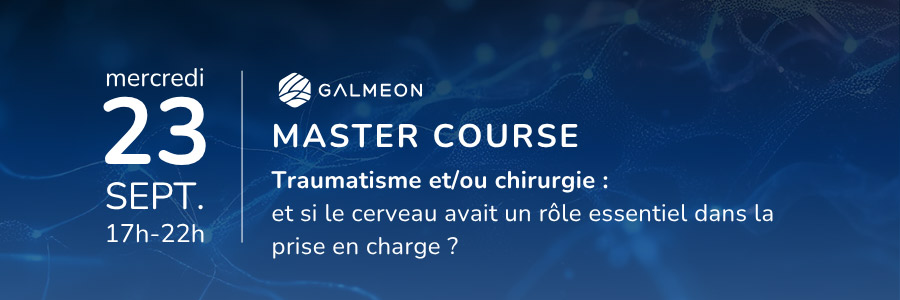
Master Course Galmeon

Vous êtes chirurgien, médecin, kinésithérapeute ou ostéopathe ?

Nous sommes ravis de vous convier à ce Master Course pour répondre à une question : et si le cerveau avait un rôle central dans la prise en charge de vos patients ?