Galmeon
Therapy

The hand
and the elbow

Hand and Elbow Support

The hand and elbow form the functional extremity of the upper limb: they enable fine motor skills, the manipulation of objects, and all daily and occupational activities. Any impairment (carpal tunnel syndrome, chronic epicondylitis, wrist or elbow fracture, algodystrophy, or complications following tendon surgery) can permanently compromise a person’s independence and ability to work. Effective hand and elbow rehabilitation goes beyond simply restoring joint range of motion and grip strength.
It must also restore neuromuscular control of the flexor, extensor, and intrinsic muscles of the hand, which are frequently inhibited by pain, immobilization, or surgery. It is precisely through this approach to neuromotor reprogramming that Galmeon therapy provides added value, complementing conventional physical therapy.
Limiting the Loss of Joint Range of Motion
Exercises to address the loss of strength that may occur as a result of immobilization
Maximizing the Quality and Speed of Recovery
Management of Motor Inhibitions
Algoneurodystrophy

Contact us at
to learn more

Contact us to learn more

Testimonials

For which conditions is hand and elbow rehabilitation recommended?

Hand and rehabilitation of the hand and elbow covers a wide range of conditions—whether traumatic, surgical, or microtraumatic:

  • Follow-up after carpal tunnel surgery, Dupuytren’s surgery, trigger finger
  • Epicondylitis (tennis elbow) and epitrochleitis (golfer’s elbow)
  • Fracture sequence : wrist, scaphoid, radial head, olecranon, metacarpals, phalanges
  • Follow-up after tendon or ligament surgery of the hand and elbow
  • Algodystrophy (complex regional pain syndrome—CRPS Type I)
  • Stiffness Post-traumatic stiffness of the elbow or fingers

Peripheral nerve damage : compression of the median, ulnar, or radial nerve

Each indication requires a diagnosis made by your doctor or your surgeon, which determines the rehabilitation plan tailored to your situation.

Post-operative postoperative rehabilitation of the hand and elbow is organized into several phases coordinated with the surgeon :

Phase 1: Treatingedema, early mobilization permitted (with possible use of a brace), maintenance of mobility in adjacent joints, and initial gentle isometric contractions. Strict adherence to surgical instructions is essential to ensure proper healing.

Phase 2: Gradual restoration ofjoint range of motion, targeted muscle strengthening (flexors, extensors, intrinsic of the hand), and strengthening the grip strength, and a gradual return to daily activities.

Phase 3: Restoration of fine motor skillsand grasping grasping skills, and gradual return to work. It is during this phase that Galmeon therapy is most effective, by lifting persistent motor inhibitions that hinder the recovery of strength and precision .

The recovery times depend heavily on the initial condition, how early treatment begins, and the patient’s commitment:

  • Follow-up after carpal tunnel surgery : Recovery of sensation and strength over an average of 2 to 4 months.
  • Epicondylitis : gradual improvement over 2 to 6 months, sometimes longer in chronic cases.
  • Follow-up after a wrist or elbow fracture : functional recovery takes 3 to 6 months, sometimes longer in cases ofprolonged immobilization.
  • Algodystrophy : progression over 6 to 18 months, with considerable interindividual variability.

The Galmeon therapy, which is part of the protocol, can speed up muscle recovery recovery and relieve plateaus in recovery. These timeframes are approximate: each patient’s journey is unique and must be approved by your doctor and your physical therapist.

See your doctor, your surgeon or your physical therapist if you notice:

  • Sharp, unusual pain, different from the usual discomfort associated with physical therapy
  • Edema that occurs suddenly or increases rapidly, abnormal abnormal discoloration of the hand
  • Tingling Persistent tingling, loss of sensation in one or more fingers
  • Sudden loss of strength or inability to perform a routine movement
  • Feeling of stiffness in the elbow or fingers
  • Signs suggestive of algodystrophy : disproportionate pain, hypersensitivity to touch, trophic disorders (skin, nails, hair)
  • No improvement or worsening after several weeks of treatment

Regular follow-up remains the best way to ensure rehabilitation that is safe and effective.

Find a practitioner

Results: 0
Filters
Pour afficher la carte Google Maps, merci d’accepter les cookies.

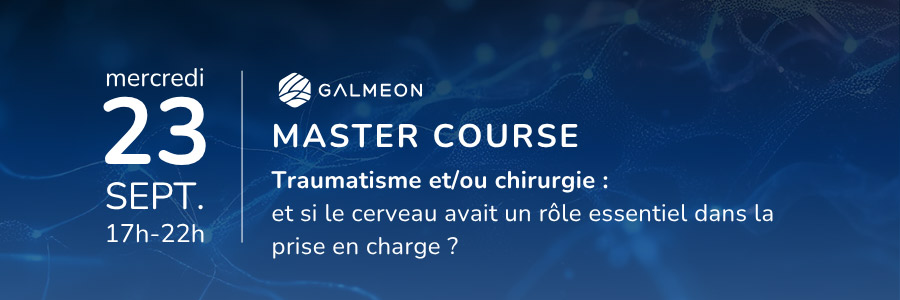
Master Course Galmeon

Vous êtes chirurgien, médecin, kinésithérapeute ou ostéopathe ?

Nous sommes ravis de vous convier à ce Master Course pour répondre à une question : et si le cerveau avait un rôle central dans la prise en charge de vos patients ?